01 / SITE HISTORY
Installation & Location Research
Build a documented history of a duty location, installation, facility, or surrounding community using public records, environmental reports, maps, and agency sources.
Research support for veterans, families, clinicians, advocates, and attorneys who need a clear picture of where, when, and how an exposure may have occurred.
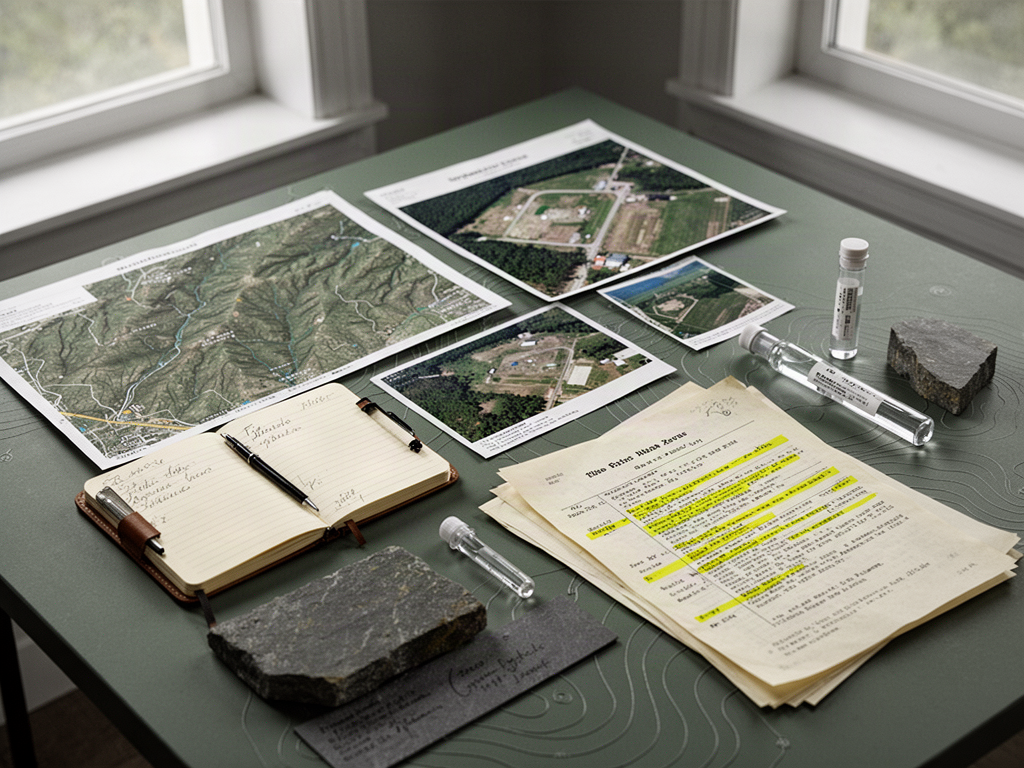
Each project is organized around the client’s actual service history, location, dates, claimed exposure, and available records.
Build a documented history of a duty location, installation, facility, or surrounding community using public records, environmental reports, maps, and agency sources.
Connect where a person served or lived with when a contaminant, source, pathway, or environmental condition was documented — without overstating what the evidence proves.
Summarize toxicology, epidemiology, and public-health literature from credible sources so clients and clinicians can understand the evidence in context.
Turn a scattered record into a structured, cited report that can support a benefits claim, medical review, legal consultation, or personal records file.
The goal is to make a complicated environmental record understandable to the next person who has to evaluate it — whether that is a physician, accredited representative, attorney, adjudicator, or the client.
Share the locations, dates, service records, claimed exposure, and the purpose of the research.
Review government reports, historical records, environmental data, maps, and credible scientific literature.
Compare documented contamination or environmental conditions against the individual’s verified dates and pathways.
Receive a structured report with narrative analysis, citations, exhibits, and limitations stated clearly.
Research is led by an independent public health researcher with graduate-level training in public health. The work emphasizes source quality, chronology, exposure pathways, transparent limitations, and clear documentation.
Reports are research products — not medical diagnoses, legal opinions, or guarantees of a benefits outcome. That boundary makes the research more useful to the licensed professionals and decision-makers who may rely on it next.
The strongest research does not try to force a conclusion. It shows the record, the timeline, the science, and exactly where they do — or do not — connect.
A useful first inquiry includes the location, approximate dates, branch or type of service if applicable, the exposure concern, and what you need the research to support.